Pelvic Health Physical Therapy
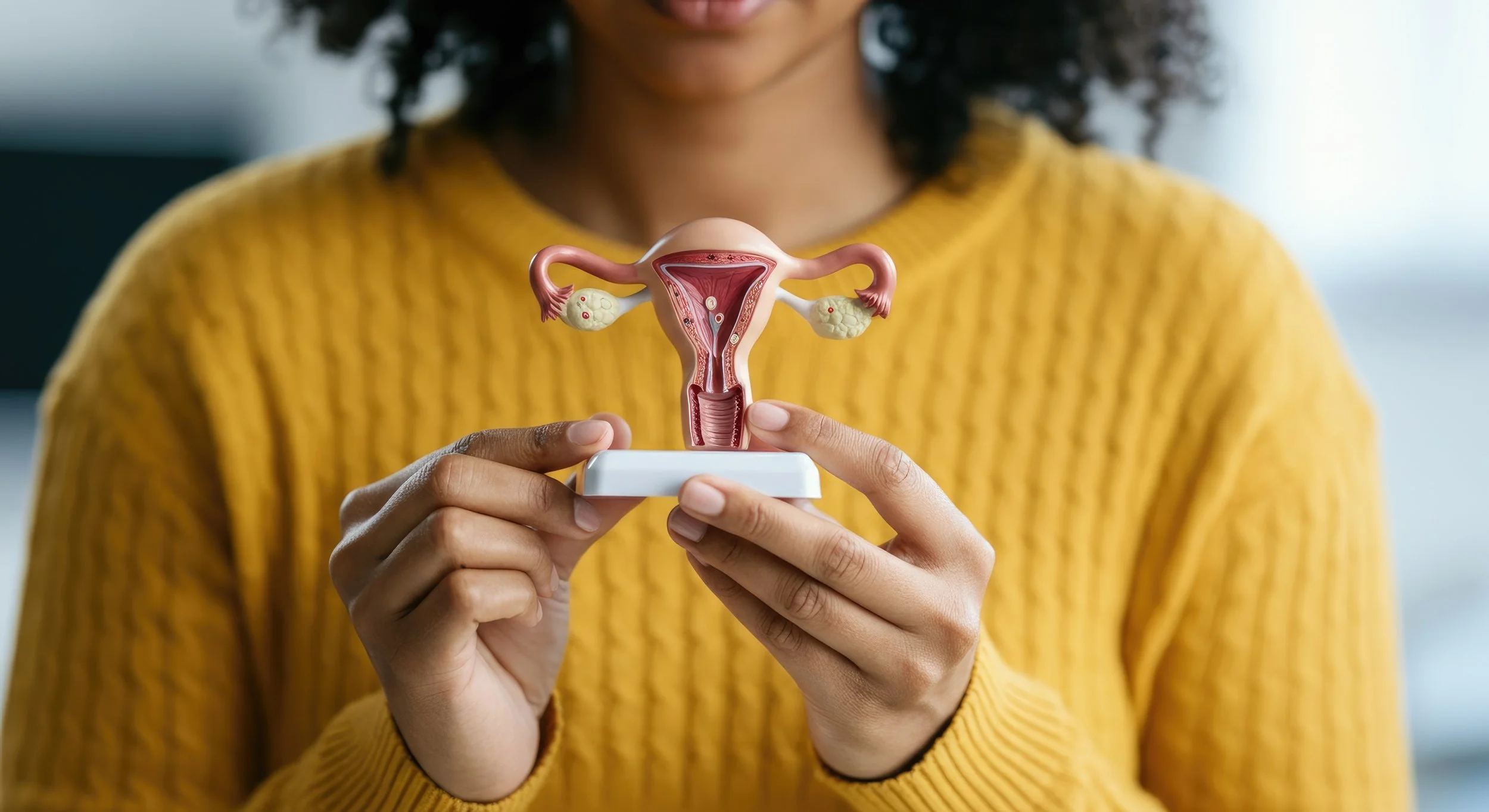
Pelvic floor therapy is a powerful treatment that is beneficial to people experiencing a wide array of symptoms. Factors causing pelvic floor dysfunction vary from patient to patient, so determining the cause of the issue is important. The pelvic floor is made up of a complex group of muscles that not only support the abdominal organs, but also control urination, defecation and sexual function. Pregnancy, menopause, reproductive difficulties, anxiety and stress are just a few things that can affect the pelvic floor’s ability to properly manage these important functions. Physical therapy for the pelvic floor includes evaluation of these muscles to ensure proper contraction, relaxation, strength and motor control. Given the relationship between the low back and pelvic floor, dysfunction in these pelvic muscles can not only cause direct pain to the area, but can also cause pain in the low back, hips and SI joint.

Pelvic Health Conditions
Prenatal Discomfort
Low Back/ SI Pain
Postpartum Recovery
Surgical Rehabilitation of the Abdomen
Diastasis Recti Rehabilitation
Post Cesarean Section
Urinary/Fecal Incontinence
Urgency and Frequency of Bladder/Bowel
Pelvic Pain
Painful Sex
Coccyx/Tailbone Pain
Common symptoms of pelvic floor dysfunction
Urge incontinence (inability to control urine when in a certain situation)
Stress incontinence (inability to control urine with pressure or stress)
Urine leakage (leaking of urine without cause)
Difficulty starting/stopping urine
Urine retention (inability to empty bladder)
Sexual Dysfunction (pain during sexual intercourse or weak orgasm)
Bowel straining (constipation)
Bowel leakage (inability to control bowel movement)
Pain/pressure/heaviness in the genital area
Low back, Hip or Sacroiliac pain without specific cause
Prenatal Discomfort and pain
Postpartum pelvic pain that does not resolve
Post Cesarean Section Pain that does not resolve
Pain in Coccyx and/or Tailbone